
Achieving perfect hair often involves heat styling, but improper techniques can lead to damage and breakage. This Heat Styling 101 guide will equip you with the knowledge and skills to create stunning hairstyles while maintaining the health of your hair. We’ll cover everything from choosing the right tools and products to mastering various techniques, ensuring you achieve salon-worthy results at home.
I. Choosing the Right Tools:
Hair Dryer: Consider features like ionic technology (reduces frizz), multiple heat and speed settings, and a concentrator nozzle for precise styling. Learn about different nozzle types and their applications (e.g., diffuser for curly hair).
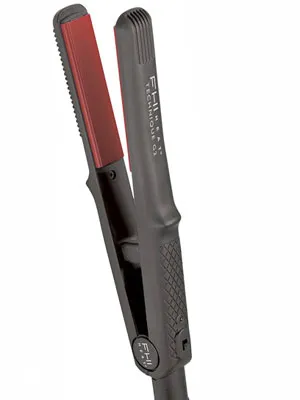
Straightener: Look for adjustable temperature settings, ceramic or tourmaline plates (for even heat distribution), and floating plates (for smoother gliding). Consider the plate size – wider plates are faster for longer hair.
Curling Iron: Choose a barrel size that suits your desired curl size (smaller barrels for tighter curls, larger barrels for looser waves). Materials like ceramic or tourmaline distribute heat evenly and prevent hot spots.
Other Tools: Round brushes (for volume and bounce), paddle brushes (for detangling and smoothing), heat protectant sprays, clips, and hair ties.
II. Essential Products for Heat Styling:
Heat Protectant Spray: This is NON-NEGOTIABLE! Always apply a heat protectant before using any heat styling tool. It creates a barrier between your hair and the heat, preventing damage and breakage. Look for sprays that contain ingredients like silicone or keratin.
Styling Creams/Mousses: These products add hold and definition, helping your style last longer. Choose products based on your hair type and desired style.
Hair Oils/Serums: These can add shine and smoothness, particularly helpful for finishing your style and taming frizz.
III. Mastering Heat Styling Techniques:
Blow Drying: Section your hair and use a round brush to lift the roots and create volume. Direct the airflow downwards to smooth the hair cuticle and prevent frizz. Learn different blow-drying techniques for various hairstyles (e.g., sleek straight hair, voluminous curls).
Straightening: Work in small sections, starting from the roots and moving towards the ends. Avoid repeatedly passing the straightener over the same section.
Curling: Wrap small sections of hair around the curling iron, holding for a few seconds before releasing. Experiment with different techniques (e.g., away from the face, towards the face) to create various curl patterns.
IV. Hair Type Considerations:
Fine Hair: Use lower heat settings and avoid over-styling.
Thick Hair: May require higher heat settings and longer styling times.
Curly Hair: Use a diffuser attachment to enhance curls and prevent frizz.
Color-Treated Hair: Use a heat protectant specifically formulated for color-treated hair.
V. Preventing Heat Damage:
Limit Heat Styling: Don’t heat style your hair every day. Give your hair rest days to recover.
Use the Lowest Effective Heat Setting: Don’t use higher heat than necessary.
Regular Deep Conditioning Treatments: Nourish your hair with deep conditioning treatments to repair damage and restore moisture.
Trim Split Ends Regularly: Regular trims help prevent split ends from traveling up the hair shaft.
VI. Heat Styling Tutorials:
Mastering the art of heat styling is about finding the right balance between achieving your desired look and protecting your hair’s health. By following the tips and techniques outlined in this Heat Styling 101 guide, you can create stunning, healthy hairstyles that you’ll love. Remember, patience and practice are key!


